
NAM editor Donna Schmidt recently sat down with FLANDERS senior global product director Gerhard Labuschagne about some pressing issues for the future of drilling.
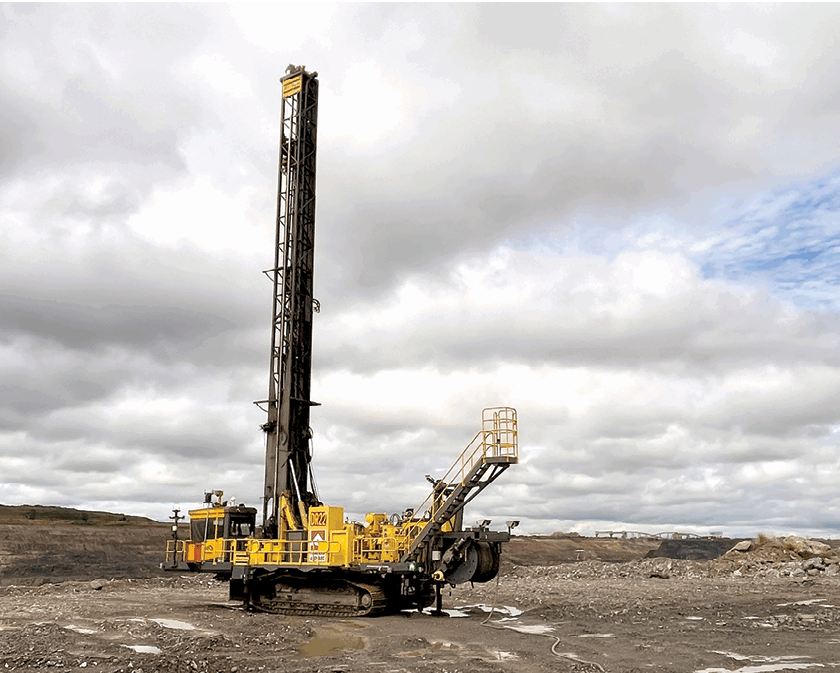
Just what is an optimized mine from a driller’s perspective, and in the age of digitalization, what’s an engineer’s role? How are field relationships between operator and drilling partner key to each step of success along the mine’s way?
North American Mining magazine wanted to know this and more, and reached out to custom system provider and autonomous drilling expert FLANDERS for some answers. Offering input was Gerhard Labuschagne, a longtime industry expert in drilling automation and process engineering with the unique ability to speak from both sides of the miner-driller relationship.
The future of drilling at an optimized mine
“At an optimized mine, drilling is no longer a standalone activity, it is a digitally connected production system tied directly into planning, blasting, maintenance, and safety,” he said. He pointed to technology like FLANDERS’ ARDVARC autonomous drill control system – which brings together PLC control with Windows computer systems – that can shift drilling from operator-dependent execution to outcomes that are both repeatable and controlled.
The future, he additionally stressed, will not be defined by replacing people, as many fear – but rather by removing variability.
“Drills become platforms that evolve over time through software, controls, and automation upgrades rather than full machine replacement. Mines that succeed will be those that design for change instead of locking themselves into static solutions.”
How the drilling engineer’s role and CV will change
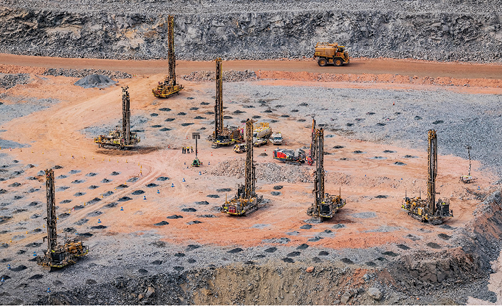
How things have changed, Labuschagne said; a drilling engineer is no longer hired for a 30- to 50-year static role built around just one machine type or method. That role now must parallel constantly around technology.
“Modern drilling engineers increasingly own system performance rather than individual parameters, pointing out that the individuals’ resumes will now undoubtedly reveal automation platform experience. Additionally, their CVs will now carry forward-thinking keywords like data-driven decision-making, commissioning, optimization, and cross-functional coordination.
“Adaptability and system literacy become as important as traditional drilling knowledge,” he noted. “Continuous learning is no longer optional; it is part of the job.”
Role of automation, AI in mining discipline
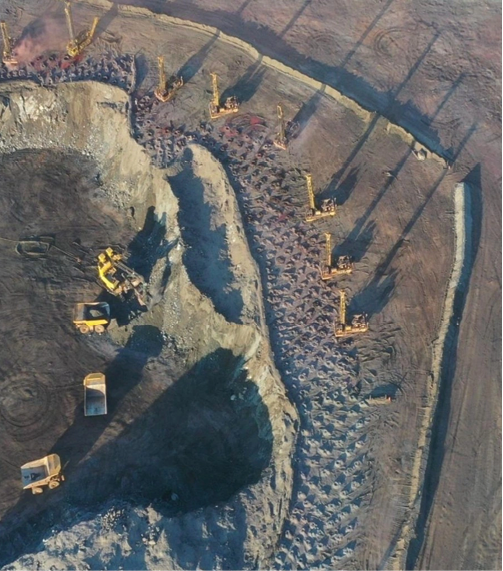
Drilling has always been complex. There are a lot of moving elements, he pointed out, including but certainly not limited to ground variability, machine dynamics and safety exposure.
“Automation provides consistency where human execution naturally varies,” he said, adding that control systems like ARDVARC help standardize how drills execute plans, manage cycles, and respond to conditions.
“AI and advanced analytics add value by identifying patterns, refining control strategies, and highlighting abnormal behavior earlier. These tools support engineers and operators rather than replacing them. The complexity remains, but it is managed more predictably and safely.”
Predictive maintenance and importance of field relationships
It feels like every area of mining has prioritized predictive maintenance as a key production indicator, and for good reason. Drilling is no different, Labuschagne said, as no matter what the scenario in drilling, predictive maintenance only works when the fundamentals are right.
“Clean data, known failure modes, and disciplined execution matter more than advanced dashboards. Strong relationships with field technicians are critical because they provide context that data alone cannot,” he said. The company places much weight on its feedback channels with and between engineering, product teams, and field support to build its improvements for system tuning, accelerate root cause resolution, and extend the life of assets.
“Long-term success comes from combining technology with practical field insight,” he added.
Managing upgrades under tight financial constraints
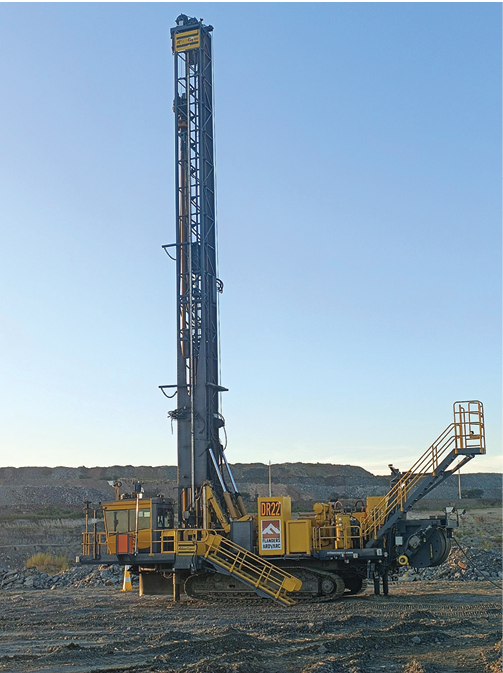
Labuschagne said mines manage limited budgets best by removing uncertainty before capital is committed, and that is where FLANDERS’ structured performance programs play a key role.
“Our accelerated performance program approach starts by establishing a clear baseline of how drills are performing today,” he said. “From there, improvement options are evaluated against measurable operating and financial outcomes, and matched to the site’s readiness to execute.”
That clarity allows upgrades to be staged around rebuilds, outages, or lifecycle milestones, reducing both risk and unexpected cost.
“When performance, readiness, and execution are aligned, technology decisions become predictable,” Labuschagne added. “That predictability is what allows mines to move forward with confidence, even under tight capital constraints.”